What is human excreta

John Campbell
Updated on April 22, 2026
: waste matter (such as feces) eliminated or separated from the body.
What is human sewage used for?
The sewage sludge, or biosolids as it’s known in the industry, provides a valuable source of nitrates, phosphates and other organic materials and the process saves millions of tonnes of human waste from being incinerated.
What is the meaning of human dung?
the body wastes of human beings. type of: body waste, excrement, excreta, excretion, excretory product. waste matter (as urine or sweat but especially feces) discharged from the body.
What is human excreta disposal?
Cartage is the most basic form of excreta disposal—faeces are collected in a container and disposed of daily. … If faecal matter is left to decompose in dry conditions for at least two years, the contents can be safely emptied manually and the pit reused.What is the excreta called?
Feces (or faeces) is the solid or semi-solid remains of food that was not digested in the small intestine, and has been broken down by bacteria in the large intestine. … Urine and feces together are called excreta.
What human excreta contains?
Fresh feces contains around 75% water and the remaining solid fraction is 84–93% organic solids. These organic solids consist of: 25–54% bacterial biomass, 2–25% protein or nitrogenous matter, 25% carbohydrate or undigested plant matter and 2–15% fat.
What happens to human sewage waste?
The sewage is carried to waste treatment, where it is screened. … All other big bits of waste are than removed from the sewage using sedimentation tanks. The water is pumped into the tanks where heavy particles of solid waste sinks to the bottom and forms a layer of sludge.
What is human feces made of?
About 30 percent of the solid matter consists of dead bacteria; about 30 percent consists of indigestible food matter such as cellulose; 10 to 20 percent is cholesterol and other fats; 10 to 20 percent is inorganic substances such as calcium phosphate and iron phosphate; and 2 to 3 percent is protein.Is human excreta useful?
Treatment disposal of human excreta can be categorized into three types: fertilizer use, discharge and biogas use. Discharge is the disposal of human excreta to soil, septic tank or water body. In China, with the impact of the long tradition, human excreta is often used as fertilizer for crops.
What is sewage treatment?Sewage Treatment refers to the process of removing contaminants, micro-organisms and other types of pollutants from wastewater. Wastewater, or raw sewage, is water that drains from toilets, sinks, showers, baths, dishwashers, washing machines and liquid industrial waste.
Article first time published onWhat is sewage disposal system?
A system for disposing of sewage, whether by means of a cesspool, septic tank, or by mechanical treatment, all of which is designed to serve a single building or group of buildings, independently of the public sewer.
What are the advantages of human excreta management?
- It is more hygienic and even semi-skilled manpower can build it.
- This type of latrine can be constructed near the house. …
- It helps to keep the surrounding clean and healthy. …
- This latrine prevents to spread the disease born from human excreta.
What happens Human poop?
Some of our poop gets used as fuel, heating the very facilities that process our waste. And the rest eventually reaches landfills. But before the fate of your poop is sealed, a long series of steps ensures it’s free from disease, and safe for farms and waterways.
What are the 7 types of poop?
- Type 1: Separate hard lumps, like nuts (difficult to pass and can be black)
- Type 2: Sausage-shaped, but lumpy.
- Type 3: Like a sausage but with cracks on its surface (can be black)
- Type 4: Like a sausage or snake, smooth and soft (average stool)
- Type 5: Soft blobs with clear cut edges.
How much feces is in the human body?
According to the Centers for Disease Control (CDC) the average man in the U.S. weighs 195.7 pounds, and the average woman weighs 168.5 pounds. This means a man of average weight produces about 1 pound of poop and a woman of average weight produces about 14 ounces of poop per day, contained in your large intestine.
Can you eat your poop?
According to the Illinois Poison Center, eating poop is “minimally toxic.” However, poop naturally contains the bacteria commonly found in the intestines. While these bacteria don’t harm you when they’re in your intestines, they’re not meant to be ingested in your mouth.
Why does human feces smell so bad?
Stool is made up of undigested food, bacteria, mucus and dead cells. It usually smells bad because of the bacteria and parasites, but it also can have compounds that produce an especially unpleasant smell. “If you have blood in your stool, that usually comes with a particular strange odor,” he said.
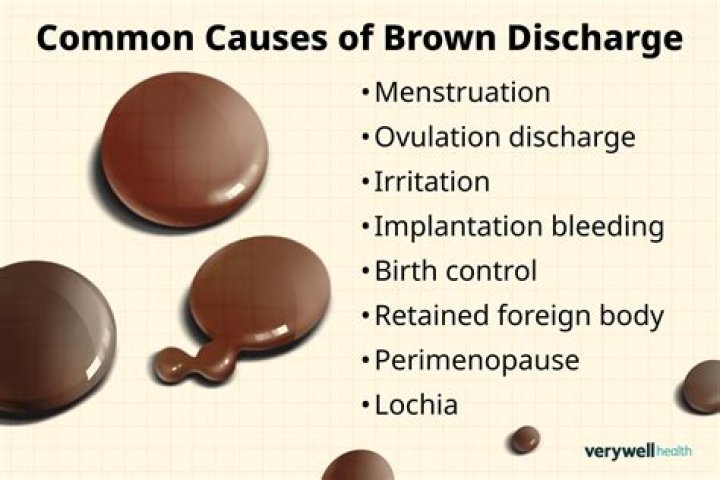
Why are human faeces Brown?
The color is the result of what you eat and how much bile is in your stool. Bile is a fluid your liver makes to digest fats. It starts out as a yellowish green color. But as the pigments that give bile its color travel through your digestive system, they go through chemical changes and turn brown.
What is the difference between sewage and sewage?
~~Sewage is the waste matter carried off by sewer drains and pipes. Sewerage refers to the physical facilities (e.g., pipes, lift stations, and treatment and disposal facilities) through which sewage flows.
Where does toilet waste go?
When the wastewater flushed from your toilet or drained from your household sinks, washing machine, or dishwasher leaves your home, it flows through your community’s sanitary sewer system to a wastewater treatment facility.
What do you mean by sewage water?
Sewage water is wastewater from people living in a community. It is the water released from households after use for various purposes like washing dishes, laundry, and flushing the toilet, thus the name wastewater. The used water moves from the houses through pipes installed during plumbing.
Why do we poop and pee?
Body processes such as digestion and metabolism (when the body turns food into energy) produce wastes, or byproducts. The body takes what it needs, but the waste has to go somewhere. Thanks to the kidneys and pee, it has a way to get out.
Can human excreta be used as manure?
CHENNAI: A team of researchers from University of Agricultural Sciences (UAS), Bengaluru tested human poop as manure to grow crops and found that they not only grow better, but the nutrient level in the soil also improves. … “The nutrients in the soil could have suppressed these pathogens.
What is the difference between faeces and excretion?
Excretion is the elimination of nitrogen containing products from the metabolism. Defecation is the complete elimination of undigested food and other waste product.
Why is feces called poop?
The word ‘poop’ was first written down over 600 years ago, in reference to the rear deck of a ship. … By 1744, in what is probably the most appropriate etymological evolution ever, poop progressed past passing gas and finally found its calling as a term for feces.
How does poop look like?
Share on Pinterest Normal poop is brown and has a soft to firm consistency. Normal poop is generally: Medium to dark brown: This is because it contains a pigment called bilirubin, which forms when red blood cells break down.
What is the normal color of human feces?
All shades of brown and even green are considered normal. Only rarely does stool color indicate a potentially serious intestinal condition. Stool color is generally influenced by what you eat as well as by the amount of bile — a yellow-green fluid that digests fats — in your stool.
What are the types of sewage?
There are three types of wastewater, or sewage: domestic sewage, industrial sewage, and storm sewage.
What are the 3 types of sewage treatment?
There are three main stages of the wastewater treatment process, aptly known as primary, secondary and tertiary water treatment. In some applications, more advanced treatment is required, known as quaternary water treatment.
What are the different types of excreta?
- Service type latrines (Conservancy System)
- Non-service type (Sanitary latrines) a) Bore hole latrine. b) Dug well or Pit latrine. c) Water-seal type of latrines (PRAI, RCA, Sulabh Shauchalaya) d) Septic tank. …
- Latrine suitable for camps and temporary use. a) Shallow trench latrine. b) Deep trench latrine. c) Pit latrine.
How does human excreta mix with water sources?
Often untreated sewage is dumped straight into rivers or other surface bodies. The environmental and health costs are enormous: our rivers and our children are dying. This is because large amounts of water are being taken away from the rivers and used to carry excreta. The ‘diluted’ excreta is drained into rivers.