What does the tibial nerve branch into?

Mia Morrison
Updated on March 12, 2026
What does the tibial nerve branch into?
The tibial nerve runs posterior to the tibial artery. The tibial nerve divides into its two main branches in the region of the tarsal tunnel. These branches are the medial plantar nerve and the lateral plantar nerve.
What does the posterior tibial nerve innervate?
Muscles innervated include the gastrocnemius, popliteus, soleus, tibialis posterior, flexor digitorum longus, flexor hallucis longus, abductor hallucis, flexor digitorum brevis, flexor hallucis brevis, foot lumbricals, quadratus plantae, flexor digiti minimi, adductor hallucis, foot interossei, abductor digiti minimi.
What happens if the tibial nerve is damaged?
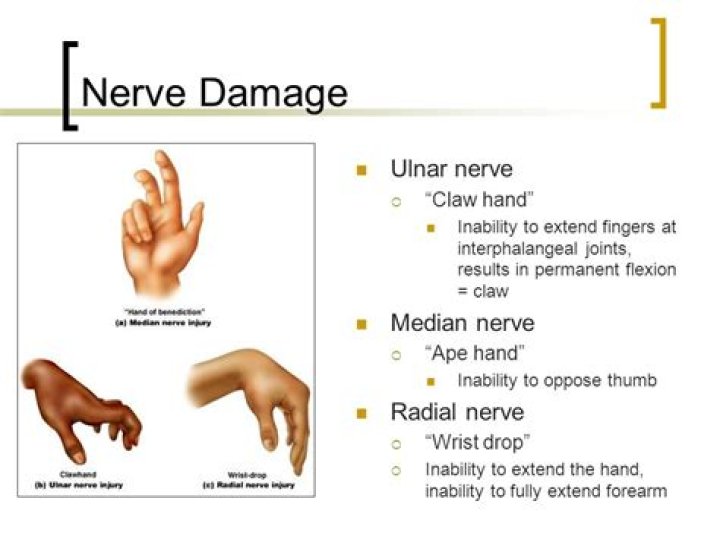
Tibial nerve dysfunction occurs when there is damage to the tibial nerve. Symptoms can include numbness, pain, tingling, and weakness of the knee or foot. The tibial nerve is commonly injured by fractures or other injury to the back of the knee or the lower leg.
What does the tibialis posterior attach to?
Tibialis posterior muscle
| Origin | Posterior surface of tibia, posterior surface of fibula and interosseous membrane |
|---|---|
| Insertion | Tuberosity of navicular bone, all cuneiform bones, cuboid bone, bases of metatarsal bones 2-4 |
What is the tibial motor nerve?
The tibial nerve is one of the two terminal branches of the sciatic nerve, the largest nerve in the human body. The tibial nerve originates from the L4-S3 spinal nerve roots and provides motor and sensory innervation to most of the posterior leg and foot.
What are the branches of the posterior tibial nerve?
Posterior branches of the tibial nerve supply tibialis posterior, flexor digitorum longus, flexor hallucis longus, and deep part of soleus.
What Innervates peroneus longus?
The superficial peroneal nerve supplies motor innervation to the following muscles: Peroneus longus muscle.
Can tibial nerve damage be repaired?
In some cases, no treatment is needed, and people will recover on their own. Severe loss of sensation may lead to toe or foot sores (ulcers) and infections. Surgery to enlarge the tarsal tunnel or transfer the nerve helps reduce pressure on the tibial nerve.
How long does the tibial nerve take to heal?
Recovery. The amount of time it takes to recover depends on the underlying cause of your arch pain. It may take 3–12 months to recover from conditions like plantar fasciitis, even with treatment. If surgery is necessary, it may take a year after the surgery to get back to your normal.
Why is injury to the tibial nerve uncommon?
Tibial nerve injury is rare and is always associated with other injuries due to its close association with the other structures. We present a rare case of isolated injury to the tibial nerve where the nerve was avulsed from the middle third of the leg, but all other structures were intact.
How do you test TIB post?
One of the most sensitive tests for posterior tibial tendon dysfunction is the single limb heel rise. To perform this test, the patient uses their arms to balance themselves against the wall. The patient will then lift the opposite foot off the ground and attempt to rise onto the toes of the affected foot.
How do I strengthen my posterior tibialis?
The easiest way to start strengthening the tibialis posterior muscles is to perform heel raises. You may wish to start by doing these while sat down in a chair, and as the muscle strength improves, you could try standing up.