Can siding cause leaks

Rachel Fowler
Updated on May 05, 2026
When moisture and water leak into the walls from a siding issue, it causes damage to the interior and exterior of your home. If you’ve already ruled out other potential areas for a leak, such as your roof or plumbing, you should explore the possibility of leaky siding.
What happens when water gets behind siding?
Yes, water leaks behind your home’s siding can lead to structural damage. Whether it’s installed over plywood or OSB sheathing, the material interferes with natural evaporation. Accumulated damp behind siding results in wood rot.
Can siding cause a roof leak?
Unfortunately, this doesn’t mean that vinyl siding is entirely waterproof. On the contrary, the way vinyl siding is installed to allow for expansion makes it prone to water leaks. This is why many homeowners may notice a vinyl siding window leak or something similar after living in a home for a few years.
Can water get under vinyl siding?
Vinyl siding itself is waterproof and directs most water flow away from the exterior, but even a small gap can allow water through. The roof and foundation, doors, windows, and any other breaks in siding create opportunities for moisture to seep in.Can siding grow mold?
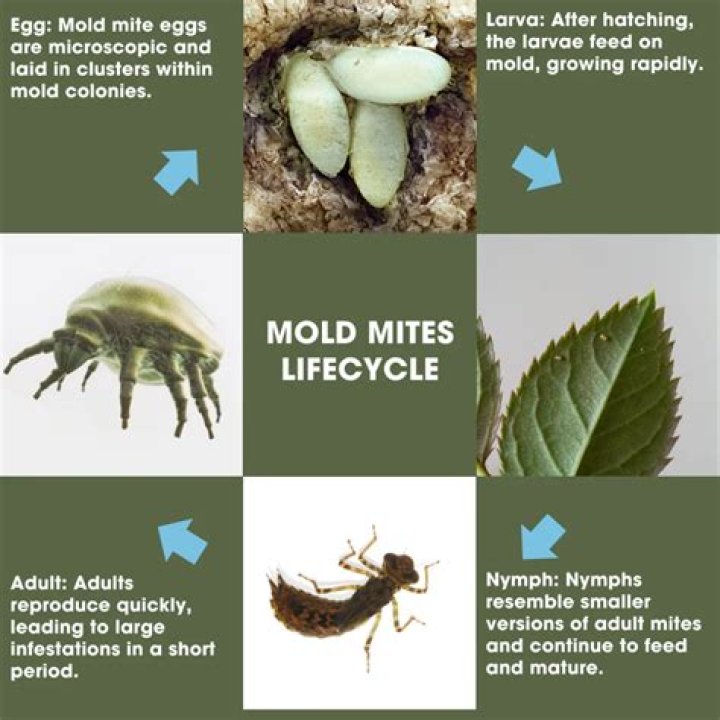
Mold prefers warm, damp, and humid conditions which allow it to effectively proliferate and spread. … Mold can grow on nearly any surface where moisture is present, including the underside of siding where moisture is present.
What is behind my siding?
Underlayment Underlayment or weather resistive barrier (WRB) is installed between the siding and the sheathing. This can be tar paper or a house wrap such as HardieWrap® or Tyvek HomeWrap®. HardieWrap® is great for keeping water out and at the same time letting water vapor escape from the house.
Can siding be done in the rain?
As a general rule, installing siding in the rain is not ideal. … When you install siding in the rain, you’re almost certainly going to get some water trapped under the siding. Once it’s in there and the siding is installed, the water really has nowhere to go.
Can mice get under siding?
Mice can climb under the siding and enter the home through an existing construction gap. Grass and mulch along the foundation provides habitat for mice.Does siding need to be caulked?
Bottom of siding boards should not be caulked While paint does tend to somewhat glue these pieces together, caulking them is never advised and can cause permanent damage. Also, avoid caulking tongue-and-groove siding boards together.
Is pressure washing vinyl siding bad?Using a Pressure Washer to Clean Vinyl Siding Pressure washers are easy to operate and are perfectly safe for cleaning your siding, contrary to what you may have heard before. The trick is to use lower water pressure so the water doesn’t get behind your siding or damage the surface.
Article first time published onWhy does vinyl siding have weep holes?
Can moisture get behind vinyl siding? … Vinyl siding has small holes called weep holes in the bottom edge of each piece of vinyl. These holes and the proper clearances in receiving channels are the escape route for any moisture that collects behind your siding.
Why does my siding look wet?
If you see wet spots, any form of unwanted growth, or bowing in your interior walls, it means your siding problem has escalated to cause serious structural damage, which will warrant more than just a siding replacement. Unfortunately, mold isn’t always visible. Oftentimes, it resides in the walls.
How do you protect water from siding?
Once siding has been installed, all windows, doors, joints and seams should be caulked with exterior, weather-resistant caulking. Caulk creates a seal that prevents water from getting in as well as air and noise.
Can You Use Flex Seal on vinyl siding?
Flex Seal is a liquid rubber sealant coating that’s perfect for almost any DIY project inside or outside your house. Flex Seal can be used on almost every surface: wood, metal, tile, concrete, masonry, fabric, glass, plastic, aluminum, porcelain, drywall, rubber, cement, and vinyl.
What does mold look like on siding?
Mold looks fuzzy or slimy and comes in many colors, from dark green to bright red to black. It can cause structural damage if left to grow unchecked. … If you smell something musty or foul in an area prone to moisture, do a thorough visual inspection of the space for signs of mold growth.
What kills mold on siding?
70% water, 30% white vinegar makes a great all-purpose vinyl siding cleaner that removes light mold and mildew stains. For a stronger solution, mix together one-third cup powdered laundry detergent, two-thirds cup powdered household cleaner, one quart liquid laundry bleach and one gallon of water.
Does mold hurt vinyl siding?
Vinyl siding is made to withstand cracks, chips and fading. But that doesn’t mean you can’t get mold on vinyl siding. As sturdy as vinyl siding is, it’s not resistant to pesty mold and mildew. In order to keep your beautiful vinyl siding in tip-top shape, there is a bit of upkeep involved.
Is it OK to install siding in the winter?
Cold Weather Putting in the siding in temperatures lower than 40 degrees increases chances for cracking and buckling. Some homes avoid any damage, but too many issues can occur during installation so it’s not recommended.
Does house wrap protect from rain?
Basically, house wrap is the home’s last line of defense against air leaks, water infiltration and leaks, etc. This thin but resilient material functions as a weather-resistant barrier, preventing rain from getting into the wall assembly while allowing water vapor to pass to the exterior.
Can you install Tyvek in the rain?
Yes, Tyvek is made with unique material science to keep air and bulk water out while allowing moisture vapor inside walls to escape.
What is wrong with vinyl siding?
Warping. While it’s true that vinyl doesn’t peel or chip, it does warp some in hot temperatures. Therefore, installing vinyl siding on a home that sees hot summers is not the best idea, as it will lead to the siding changing shape after a few years.
Should I put foam board behind my vinyl siding?
Basically, in order to get a good insulation value out of foam board, it has to installed directly on the sheathing of the house. … Basically, if you want extra R-value for your walls but do not want to tear off your siding, don’t bother with the foam board.
Can you remove vinyl siding?
A: Surprisingly, yes. You can remove it with little effort and in a way where you can easily reuse the pieces. Vinyl siding is installed from bottom to top, so start at the top and work your way down when removing it. … The trim secures the edges of vinyl in position and hides any nail heads.
Where should you not caulk siding?
The rules about where to not caulk siding are more important than where you can caulk siding. Do not caulk under horizontal siding, between vertical siding, around wood shakes, over nails, or over flashing. Following these rules will ensure that any moisture that makes it behind your siding will have a place to escape.
Should you seal the bottom of siding?
DO NOT seal the bottom with any sort of impermeable caulking nor spray foam. The bottom should remain permeable so that if water gets behind your siding for whatever reason then it has an escape path.
How do you close the gap between siding and foundation?
Seal small cracks and gaps in your siding, under 1/4 inch wide, using an acrylic latex caulk. Simply apply this inexpensive into the cracks to seal. Paint works well over it.
What smell does mice hate?
Peppermint oil, cayenne pepper, pepper and cloves. Mice are said to hate the smell of these. Lightly soak some cotton balls in oils from one or more of these foods and leave the cotton balls in places where you’ve had problems with mice.
How can I tell where mice are getting in my house?
To find entry points, start by doing a detailed inspection of the outside of your home. Look closely at your foundation for cracks or gaps where a mouse could squeeze through. Wherever possible, climb underneath porches and look behind stairs, bushes, or other objects.
What is the lifespan of vinyl siding?
Vinyl siding is a common choice for home cladding, and it lasts much longer than you would expect. With no effort or cleaning, your vinyl will last about 60 years max but with meticulous care and maintenance (hand-washing every year), the lifespan can be extended up to 100 years!
How many years does vinyl siding last?
According to Siding Authority, vinyl siding can last anywhere from 20 to 40 years. Some other types of siding can last as long with proper maintenance, but comparatively, vinyl siding generally needs the least amount of maintenance to remain in top condition for 20 years or more. How long should vinyl siding last?
Why you should not pressure wash your house?
Do not pressure wash any fixtures housing electricity, even those on the exterior of your home or in your yard. Though built to withstand a rainstorm, pressure washing can force water into cracks and crevice and cause damage and costly repairs.