Are crutches dangerous

Rachel Fowler
Updated on April 30, 2026
Unfortunately, they also leave plenty of room for error and are known to often place too much pressure on the underarms, leading to chafing, muscle pain, or even compressed nerves. If not properly fitted, they can also cause additional injury or discomfort from hunching over the crutches.
Why are crutches not recommended for older adults?
Age is a common contraindication to crutch use. The very old and very young may not possess the needed torso strength and coordination to use crutches successfully.
What are some complications that can occur when using crutches incorrectly?
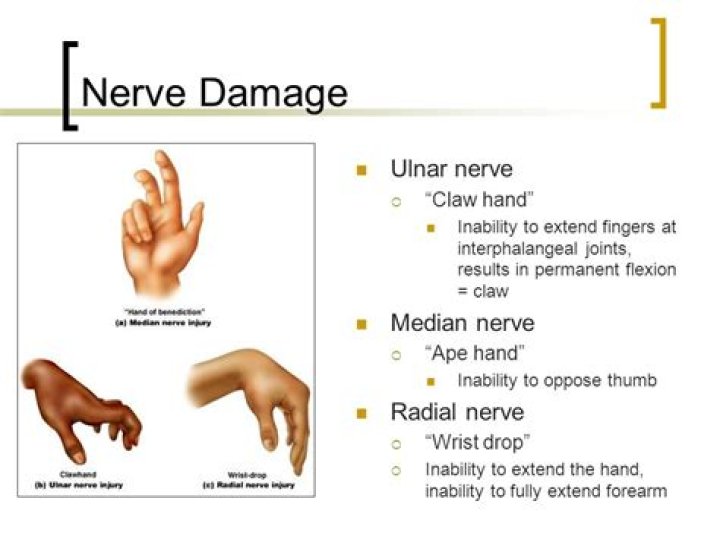
Complications. Poorly fitting or incorrectly used crutches (leaning or putting body weight on the crutches in the axillae) may cause radial nerve neurapraxia.
How many people fall on crutches?
CharacteristicNumber of injuries–Do you have to be strong to use crutches?
You may also wonder, “is walking on crutches good exercise?” The answer is: absolutely! Walking on crutches certainly qualifies as exercise because it requires a lot of upper body strength and burns more calories than walking without crutches does.
How do you make crutches less painful?
The easiest way to add cushioning simply involves some old towels and duct tape. You can use any type of fabric, as long as it will provide cushioning and make your crutches more comfortable. Simply fold your old towel (or blanket) so it’s just wider than the top cushion of your crutch.
Are crutches permanent?
Crutches help you regain mobility and weight support as you recover from short-term and long-term injuries. In cases of permanent disability, crutches offer permanent mobility. … Knee injury. Broken foot.
Why does using crutches hurt?
Unfortunately, they also leave plenty of room for error and are known to often place too much pressure on the underarms, leading to chafing, muscle pain, or even compressed nerves. If not properly fitted, they can also cause additional injury or discomfort from hunching over the crutches.Should I use a wheelchair or crutches?
It’s more comfortable choice for many people, compared to crutches. Wheelchairs have the most stability of all the mobility aids and don’t require any balancing. Plus, you can use the wheelchair in place of a kitchen or desk chair without needing to transfer.
Why do my armpits hurt when I use crutches?Use Crutches Properly Contrary to popular belief, you shouldn’t actually rest your armpits on your crutches. This puts weight on your axillary nerve. Compressing the nerve and putting pressure on it for a long period of time can cause permanent nerve damage.
Article first time published onHow might a person who uses a crutch avoid crutch paralysis?
Conclusion: Crutch palsy occurs from improper use of crutches causing prolonged compression of radial nerve. Proper fitting and education on correct usage of crutches may prevent this complication.
Can using crutches cause rib pain?
Rib pain from crutches can be the result of a few different issues. Either your crutches are sized incorrectly, which is forcing you to hunch over and strain your core far more than you need to, or you’re angling your crutches incorrectly.
Why would a person need crutches?
What Is the Purpose of Crutches? Crutches are designed to help keep weight off your injured foot or leg and help you maintain mobility while you recover. To correctly use crutches, you need to make sure that you’re using them correctly and keeping all weight off of your injured leg.
Can I rest my foot on the floor when non weight bearing?
The term non-weightbearing, sometimes prescribed simply as “N.W.B.,” refers to restrictions placed on you immediately after surgery. You will be advised to avoid putting the surgically repaired foot on the floor. This typically means no weight whatsoever, not even for a second or two whether standing or seated.
How far should you walk on crutches?
The key rule is to have about a two-inch space between the top of the crutch and your armpit while you stand straight. Then, the crutch handles need to be leveled with your wrists.
How long should you be on crutches?
Use crutches. Do not walk or stand on the injured leg for at least three days. After three days, start gradual weight bearing. If the ankle hurts, back off from bearing weight.
Are crutches better than walking sticks?
If you have a leg that is weak, painful or injured you may need a walking stick or a crutch to help support your weight. An elbow crutch offers more support than a walking stick, but can be more complicated as you have to thread your arm through while standing up.
How much do crutches cost?
Typical costs: Without health insurance, crutches typically cost $15 to $40 for basic axillary crutches — the most common type that fit under the arms — in wood or aluminum; or $40 to $100 or more for deluxe forearm crutches and folding crutches, typically made of metal; or $450 or more for a hands-free crutch.
What can I use instead of crutches?
Hands-free options like knee scooters and walkers work well for people whose knees are in great shape and just have a foot or ankle injury. Like our M+D Crutches, knee scooters/walkers don’t put strain on hands, wrists or armpits—so that’s a huge plus!
Is it hard to walk with crutches?
Walking with crutches takes some practice, but it’s not difficult. This video shows you how to use different gaits with your crutches, depending on whether you can put weight on the injured leg or foot.
Are crutches good for a bad back?
A properly fitted crutch can decrease pain in the underarms, wrists and hands. It avoids putting pressure on the nerves that can cause numbness and tingling. It helps reduce back and neck pain from poor posture from standing for long periods of time.
Can you use only one crutch?
One crutch or a cane may be useful for walking when you have a slight problem with balance, some muscle weakness, injury, or pain in one leg. … Step through with the good leg while putting weight through the crutch or cane. Note: Do not use the crutch or cane on the same side as the healing leg.
What age is appropriate for crutches?
Generally children need to be at least seven years old to safely use crutches. Your child will be assessed to ensure crutches are appropriate and can be safely used.
Can you fall using crutches?
Dangers of Crutches Slipping – the smaller point tips of some crutches and the lack of non-slip grip can lead to slipping and falling (especially on slick and uneven surfaces), which may exacerbate an existing weight-bearing injury.
Do crutches burn calories?
On average, a 130-lb. person burns 295 calories in one hour walking with crutches, according to NutriStrategy calculations. … burns 352 calories per hour; a person weighing 180 lbs. burns 409 calories and a person weighing 205 lbs.
What is Honeymoon palsy?
Saturday night palsy classically involves an individual falling asleep with the arm hanging over a chair or other hard surface, leading to compression within the axilla. Honeymoon palsy, on the other hand, refers to an individual falling asleep on the arm of another and consequently compressing that person’s nerve.
How long does crutch paralysis last?
Brachial plexus compressive neuropathy following the use of axillary crutches (crutch palsy) is a rare but well-recognized entity. Most reported cases involve the posterior cord of the brachial plexus in children and have resolved spontaneously within 8-12 weeks.
What is tourniquet palsy?
Tourniquet palsies are due to direct extrinsic pressure or axonal hypoxia on the nerves beneath the tourniquet and are related to the cuff pressure and duration of application (11). They are predominantly motor and are well localized to the point of application.
Can crutches cause rotator cuff injury?
In the current study, rotator cuff tear developed in the dominant arm in 87.5% of patients, and large to massive tears were found more frequently in crutch users (4/8) than in non-crutch users (2/8).
Does crutches build muscle?
Using crutches will give your abdominal muscles a workout, but being prepared can help to prevent or reduce possible muscle fatigue and soreness. If you are using crutches as the result of an injury, pace yourself and take plenty of breaks when moving to avoid straining your muscles.
What are the three types of crutches?
- Axilla or underarm crutches They should actually be positioned about 5 cm below the axilla with the elbow flexed 15 degrees, approximately. …
- Forearm crutches (or lofstrand, elbow or Canadian crutches).